

This 'Pan-African soup' wey dem dey serve.
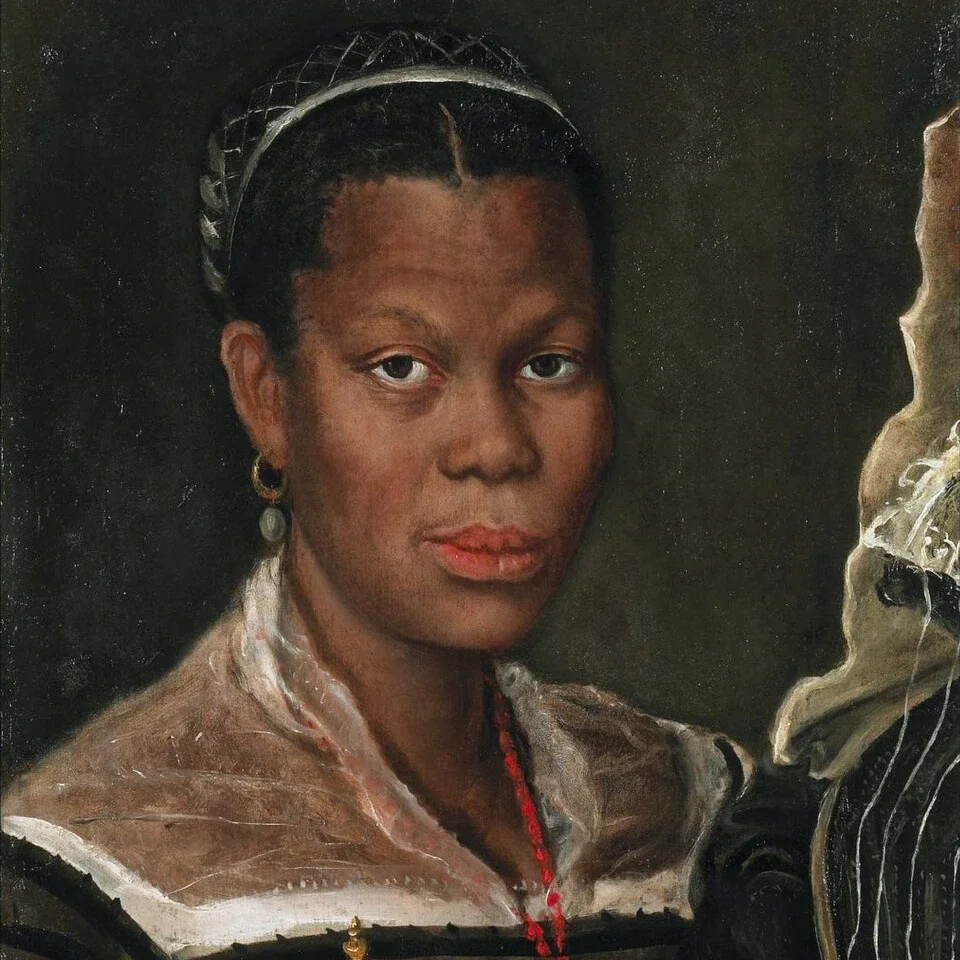
Creator: Annibale Carracci, 1560–1609 | Credit: The Walters Art Museum
“It’s a very thin line between inclusion and oppression. Between customs and profit margins.”
Children of Blood and Bone.
Another flashy debut to a mediocre trilogy written by an American author who believes Yoruba and West African cultures systematically boil down to Orishas, cowrie shells, and belligerent tribalism. Like most industry plants, they are living in pure, unadulterated luxury along the
sunny Pacific coastline,
or amongst the,
whimsical tree-lined streets of Brooklyn,
propped up by a billion-dollar machine (the studios, or the publishing houses, pick your poison) exploiting a culture no one in the New York and LA offices has ever lived or experienced.
A very common trope (ha!) in the publishing landscape, especially. The news cycle introduces a plethora of PR-friendly American and second-generation African authors who couldn't otherwise find success, and has them pen terrible YA-leaning stories about brooding and physical warriors living in huts, fighting the dark shroud of bad juju. I don't even need to mention names; you and I both know who I'm referring to, aside from Tomi Adeyemi.
As a Brazilian-American author who was partly raised by West Africans (Abidjan, y'a foutaises en ville!), grew up in this culture, living and breathing its social customs, humor, linguistics, and obscure references, I've always taken pride in championing African voices: through music, dance, and literature, I set out on a mission to prove that prestige and premium craftsmanship pair well with Afrocentric settings.
Africa is not a monolith! And anyone cosplaying the culture for profit is just an agent of neocolonialism, no matter what their skin color is.
With the latest controversies around Paramount's adaptation of Adeyemi's Children of Blood and Bone, people began to realize that black and white capitalism were equally destructive and that western studios and creative powerhouses often used Africa as a crutch rather than a genuine statement.
Here are a few issues, for those late to the party:
The casting of Princess Amari (with repeat offender Amandla Stenberg) erased a major plot point of the novel around systemic colorism, a conversation that could have been instrumental in confronting a harmful belief system that is damaging our people, both in the U.S. and on the motherland.
The movie was mainly filmed in South Africa, ignoring the current wave of xenophobic attacks perpetrated by a few vigilante groups, mainly targeting…you guessed it, Nigerians! (the story is Yoruba-influenced, by the way).
The core cast is mostly British and American actors, some with very distant ties to their roots.
The visual treatment wants to make this cash grab digestible for Western audiences, stripping it of the complexity, grittiness, and prestige attached to TRUE Yoruba imagery. The result is a lower-tier Wakanda fan fiction.
The Pan-African soup: as always with most of these cultural products, Africa is viewed as a sloppy composite, a non-distinctive blend of West, East, and South African subsets.
These choices all point to one, unambiguous flaw with mainstream Afrocentric stories: they are byproducts of emerging trends (Afrobeats/Afrofusion drove renewed interest), a vessel for virtue signaling, a shameless abuse of power, and an insult to the brightest minds of Alkebulan, the Mother of Mankind (credit to Dr. Cheikh Anta Diop for the moniker).